 Leo Characteristics: Leo represents those born from July 23—August 22. Leo is the fifth Zodiac sign of the year, right after Cancer.
Myth and Legend: In ancient Greek mythology Leo represents the lion and one lion in particular: The Nemean lion. This lion was much larger and tougher than a normal lion. For it was also the child of two monsters; Typhon and Echidna. After eating lots of people in Nemea, the famous Greek hero Hercules (Heracles) was ordered to kill it, as the first of his twelve labors.
Unfortunately, the Nemean lion had an incredibly tough hide, so normal arrows and spears simply bounced off its’ golden fur. Hercules overcame this problem with his legendary strength. He first wrestled, then strangled the lion. He later wore the animal’s skin as a cloak. Its special fur helped to protect him from other dangers.
It was later placed in the sky by the Gods, because the lion was considered king of all the beasts on Earth.

Hercules slaying the Nemean lion. Roman mosaic Lliria, Spain: Credit Wikipedia
Constellation: The Leo constellation is a big improvement on many other star clusters, in that the body of the constellation actually does look like a large cat resting. The head however is another story. Where’s the lion’s majestic profile and magnificent mane? This head is more hook than handsome. In fact, the whole Leo constellation honestly looks more like a coat hanger, than the mightiest of the beasts. But as constellations go—I have to admit —it’s more realistic than most.
When can you see the Leo constellation in the night sky? Well it’s easier to spot than most, due to the body of the constellation looking like—a big cat! The best viewing time is in April at around 9pm; between latitudes + 90° and – 65° in the northern hemisphere. If you live in the southern hemisphere, look for the Leo constellation in the summer and autumn/fall. As always use a star map as a guide and a knowledgeable star gazer is a big help.
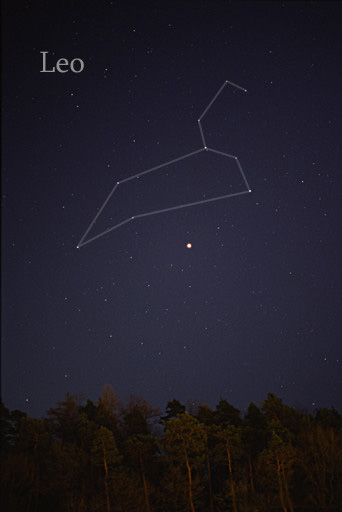
Extra Fun Fact: Leo is Latin for lion. And did you know that lions used to live in Greece? Yes, until about 100BC, when they became extinct!
Next Post—Curious about Virgo, (August 23 – September 22). The Story of Virgo and How to spot this Constellation in the Night Sky.
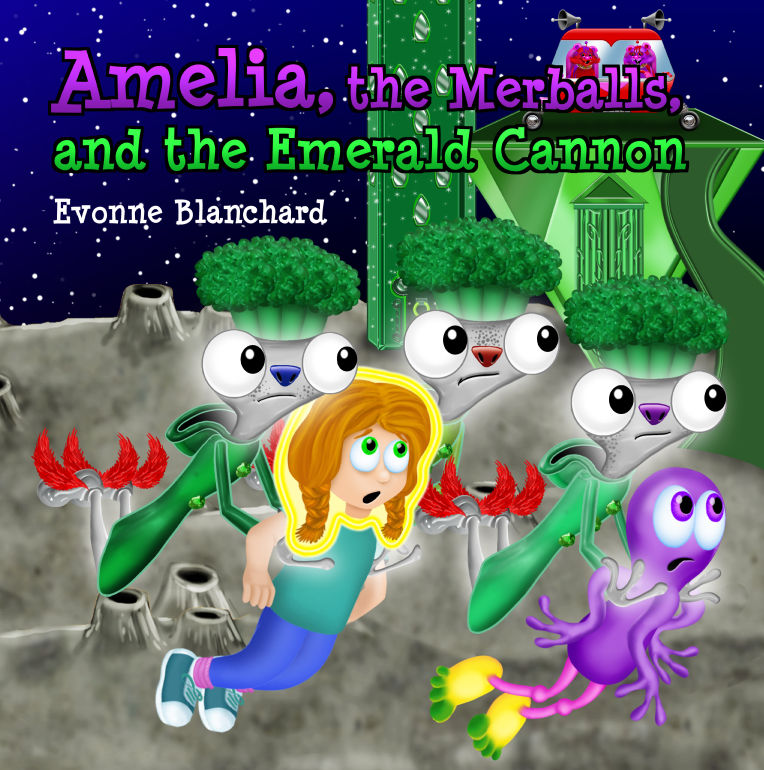
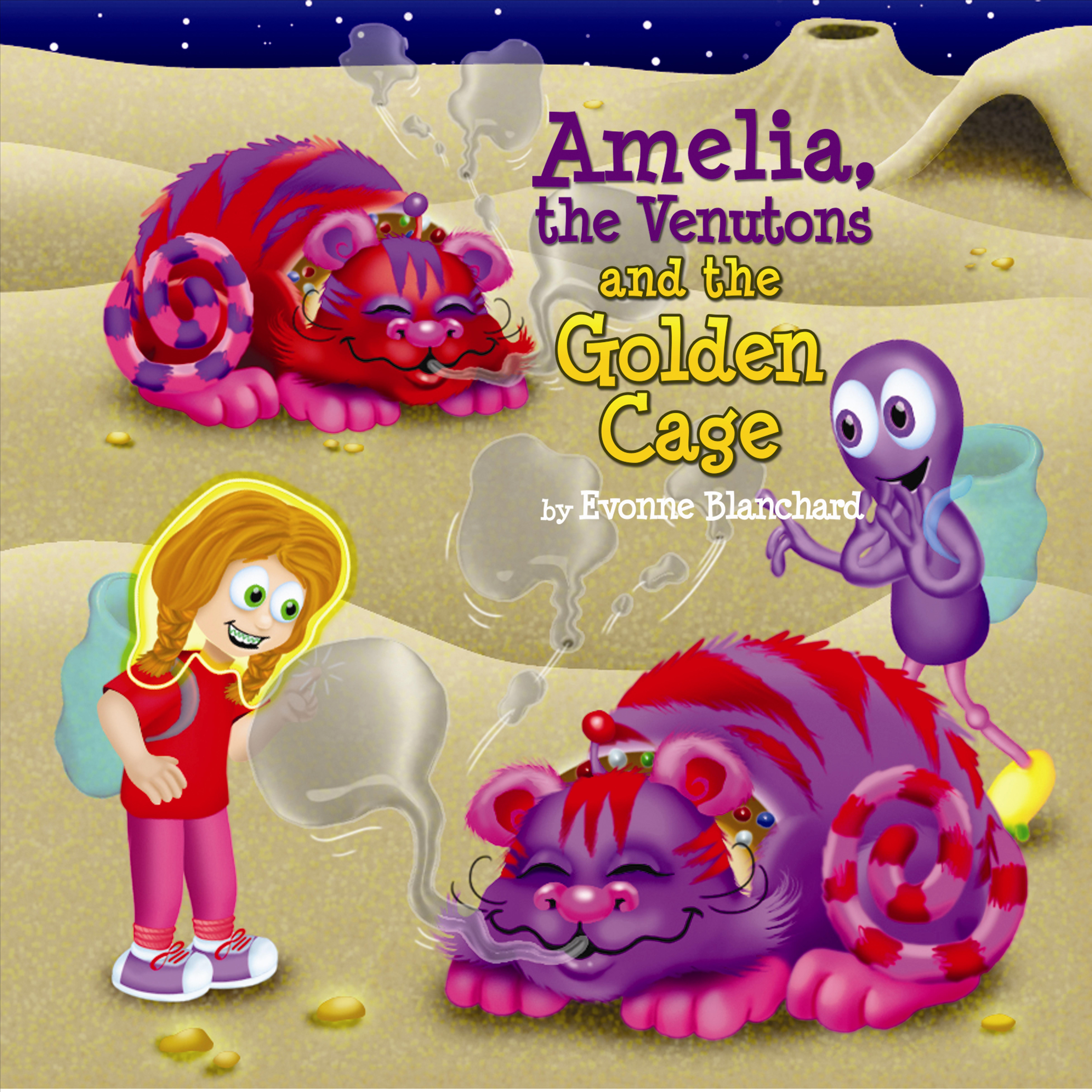
Evonne Blanchard is the author of Amelia, the Moochins and the Sapphire Palace, Amelia, the Venutons and the Golden Cage and Amelia, the Merballs and the Emerald Cannon. These are the first three books in Amelia’s Amazing Space Adventures, an exciting series of ten books set in outer space; for children ages 6-10.
Ever wondered if aliens exist? What if one needed your help? Would you travel into outer space?
Now Available!
Book Three: Amelia, the Merballs and the Emerald Cannon
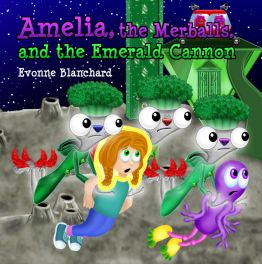
Amelia and Uglesnoo land on Mercury. They meet the Merballs, the friendly aliens that live there. All goes well until an asteroid hits their planet. Amelia and Uglesnoo find themselves in deep trouble. How will they convince the Merballs of their innocence? And how will they manage to collect the flying shoes, escape Mercury and continue their quest to save Uglesnoo’s sister?
To preview and/or buy the book, click below:
“Adventure, inventiveness, and humor merge in this quirky, appealing tale.”
—Kirkus Reviews.
“…This third book is even more original, fun and creative! With aliens, different planets, a good dose of humor and excellent storytelling that is age-appropriate, this is one of the best kids series out there. The illustrations are pretty fun too and fit the story well.”
—I Heart Reading
Amelia, the Venutons and the Golden Cage: Book Two
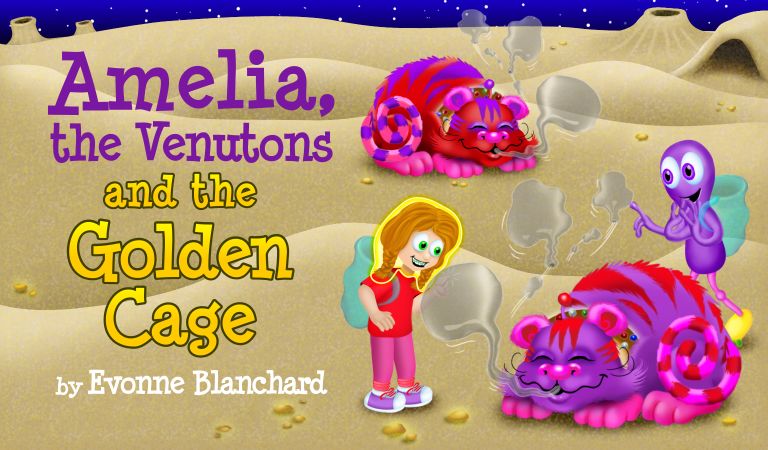
Uglesnoo needs Amelia’s help. His sister is very sick. The only cure is a repelling crystal from Neptune. With his Earthling friend, Amelia, they must continue their quest. More items are needed to buy the crystal. But Venus is full of danger and angry aliens. Are Uglesnoo and Amelia in over their heads?
“A lively sequel offers a sure-handed blend of fantasy, humor, adventure, and an ingenious heroine.” Kirkus Reviews
5/5 star rating! “Amelia, the Venutons and the Golden Cage is a wonderful children’s book that will allow your kids to get started in the Sci-Fi genre… The story is intriguing and well thought out. All in all, the author did a great job of creating an engaging story that kept my kids interested. We are definitely looking forward to the next book!”- Examiner.com
Click below for a preview:
or
Amelia, the Moochins and the Sapphire Palace: Book One

When is a present not a present? When it’s a friendly purple alien called Uglesnoo, from the planet Pluto! Uglesnoo needs to leave right away for the Moon. Uglesnoo also desperately needs Amelia’s help. Should Amelia venture into outer space?
Click below for a preview:
Or
“Appealing Illustrations combine with lots of text to make this a great read for children transitioning from picture books to chapter books.” – Kirkus Reviews
“The story is imaginative and fun…and a perfect book to stretch my oldest in his independent reading with something fun to keep his attention.” —Beautiful Books for Children
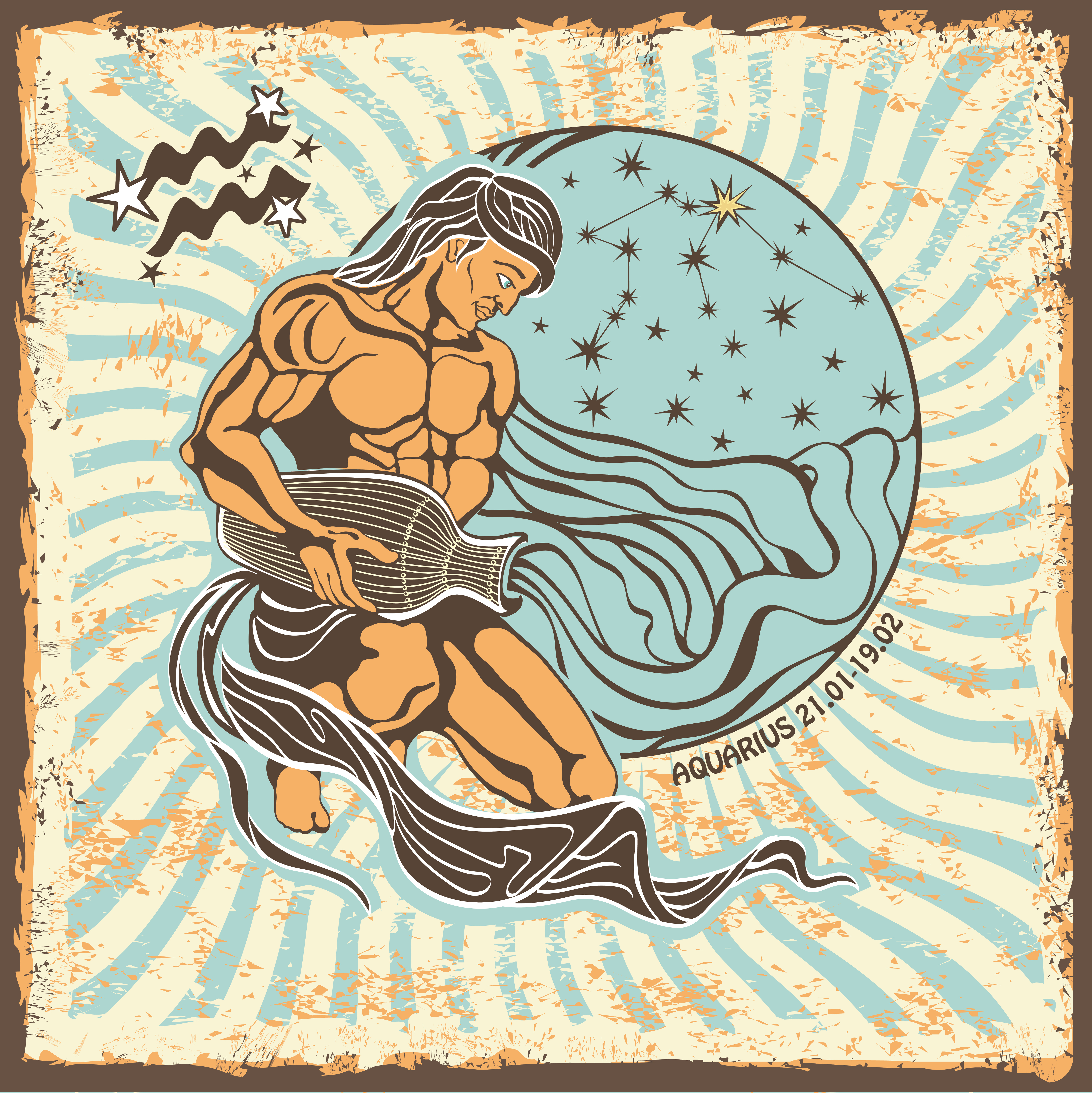
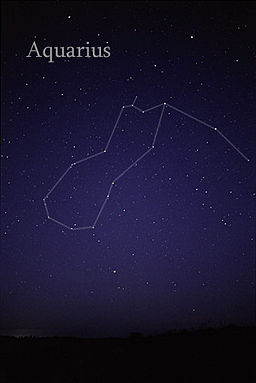
 Now, you’re probably heard the word constellation mentioned when people talk about the night sky. But what does that word mean? Well, constellation comes from the Latin word, ‘constellatio.’ Translated, it means set of stars! Now if you go back in time, before iPods, iPads video games, face time and Netflix. Okay, now go back even further, to a time of no TV, no phones…no electricity even! What did people even do for entertainment back then? Well one popular activity was star gazing. And without modern light pollution, you could see… a lot. Early civilizations looked at stars and told stories. Then they began to observe that the same set of stars could be seen at different times of the year, every year. Some of these constellations became the signs of the zodiac, our star signs. Different civilizations have different star stories, but here in the west we are more familiar with the Greco-Roman Stories.






 Amelia's Amazing Space Adventures
You must be logged in to post a comment.